
|
Monsters are central to Horror, so ahead of our Writing Horror workshop on February 23, let’s look at the positive values they can have for both writers and audiences By Ian Long 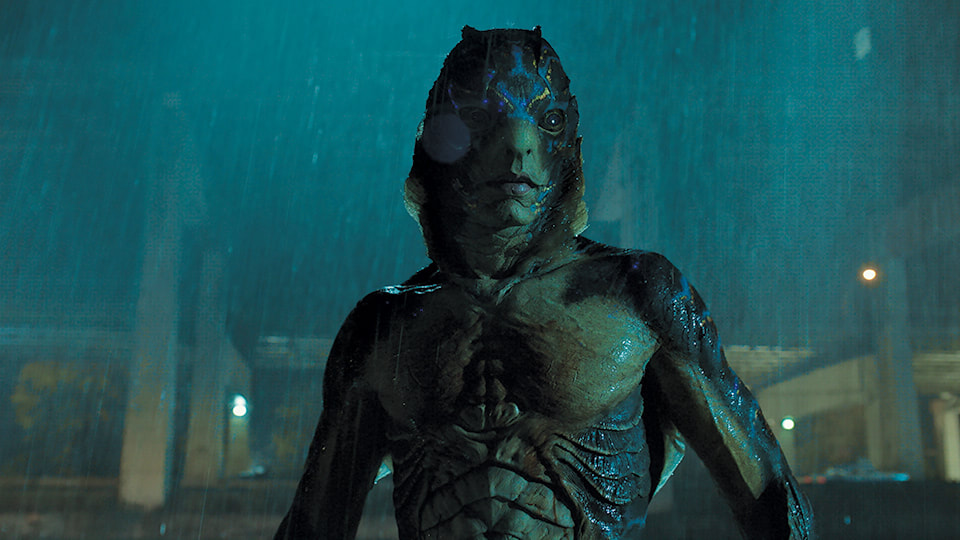 A boy and his monsters In almost every interview he gives, Guillermo del Toro revisits his outcast, hypersensitive Mexican childhood as a “thin, almost albino” boy, his domineering, disapproving grandmother, and the defiant affinity that he developed with monsters as a result. It’s his touchstone and founding myth. Monsters opened up a zone where the lonely, bullied future director could find comfort. For young Guillermo, they weren't scary, but strangely benign and nurturing. They acted as guardians of his private world. Immersing himself in the darkness of horror films and Victorian Gothic (like Tim Burton in sunny Burbank), he felt surrounded by powerful imaginary friends who terrified and repelled everyone else, but made him feel stronger - and, perhaps, an initiate into secret worlds and arcane knowledge. The director says he also deliberately over-ate to put on weight (something that would later cause health issues), consciously changing his body into something bigger and more intimidating – in his mind, something “monstrous”. How can writers use monsters?Del Toro’s story suggests that, rather than being one-dimensional figures, monsters can have depth and nuance, embodying positive aspects as well as threats. Which can make for complex, intriguing, dramatic stories. As writers, we can blur or eradicate the line between heroes and monsters. We can use them to raise deep questions about human psychology, and show how “ordinary people” strike bargains with them, for various reasons - perhaps themselves becoming monstrous in the process. And as we’ve seen with del Toro’s own health problems, dealing with monsters also has its costs – which is also inherently dramatic. This is something that the creators of shows like BEING HUMAN, DEXTER, HANNIBAL, TRUE DETECTIVE and PENNY DREADFUL have recognised. Penny Dreadful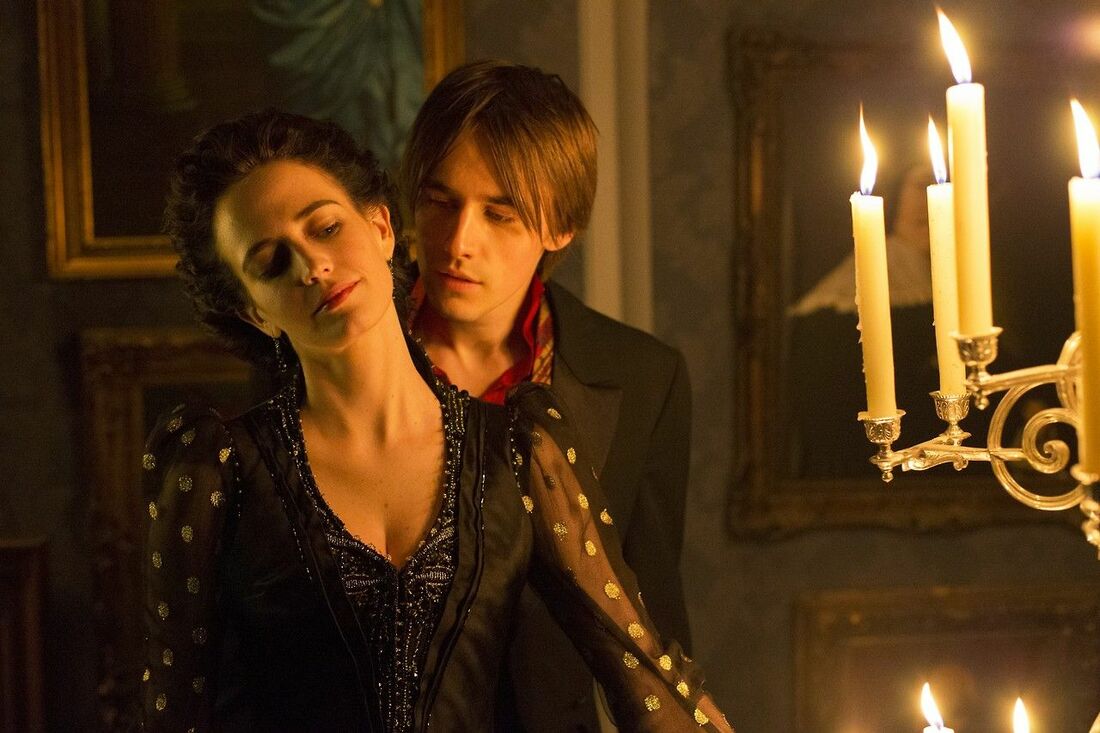 All these shows have great strengths, but Penny Dreadful may be the richest of them. Its creator, John Logan, consciously shaped it as a primer of ideas about monsters and monstrousness, which he used to think the subject through from just about every angle. Like del Toro’s tales, Penny Dreadful is inspired by Victorian Gothic, and its lead characters are a kind of incestuous, dysfunctional family. Sir Malcolm Murray is the obsessed, driven father-figure. Vanessa Ives, Ethan Chandler and Victor Frankenstein are his wild children. And as we know, Victor also has a "child" of his own: interestingly, both he and the Creature use the epithet “demon” to refer to each other. As Vanessa asks the flamboyantly amoral Dorian Gray: “To be alien, to be disenfranchised from those around you, is that not a terrible curse?” “To be different, to be powerful – is that not a divine gift?” Dorian suavely replies. It's a story about outcasts who find a common cause. But the things that keep them together are fragile and constantly under threat. Sex and monsters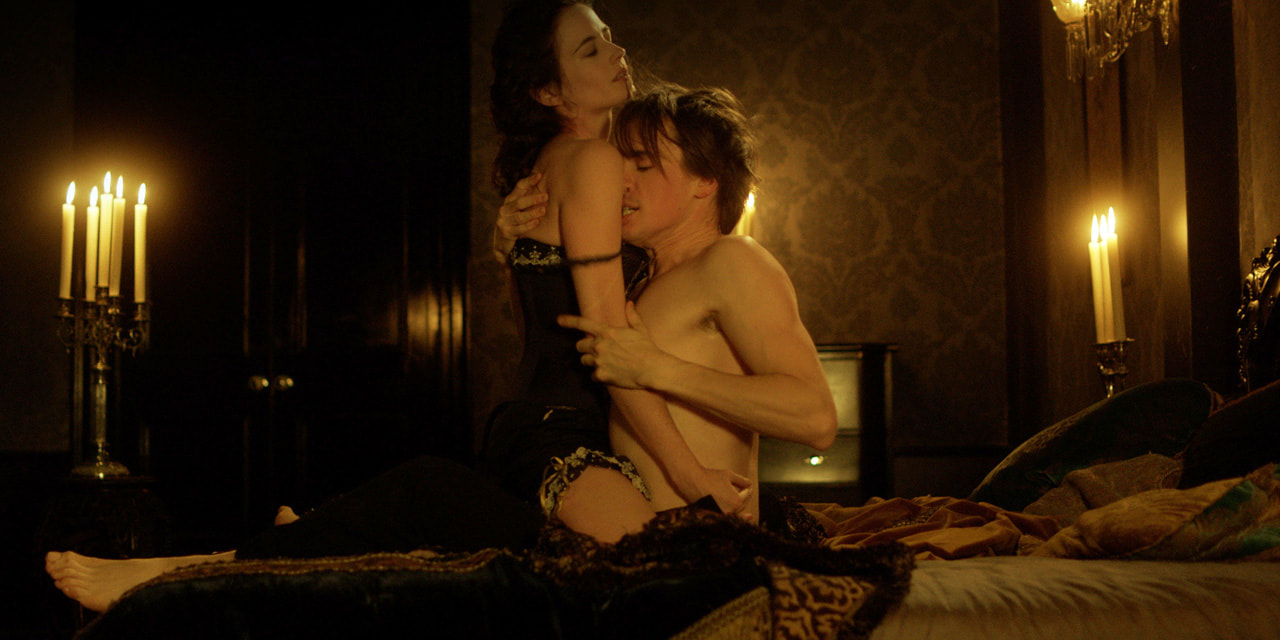 Q: But where did Logan’s interest in monsters come from? A: It’s all about sex. “I've always been drawn to monsters,” Logan says. “As I grew older, I realised what really attracted me to them was … to do with growing up as a gay man.” The teenage Logan saw the gay area of New York as “a forbidden, sexy, scary place”. Although he quickly realised that this is was where he belonged, "to step through that door would mark me as different from my brother, my family, my schoolfriends.” “The thing that made me alien and different and monstrous to some people is also the thing that empowered me and gave me a sense of confidence and uniqueness and a drive toward individuality that I think is important for any writer." It's something that also figures in Hellraiser creator Clive Barker's relationship with writing - to name just one other example. John Logan goes on to say: "Until I grappled with and accepted the reality of who and what I was – which many people would consider monstrous – I couldn't be the artist or the man that I am.” 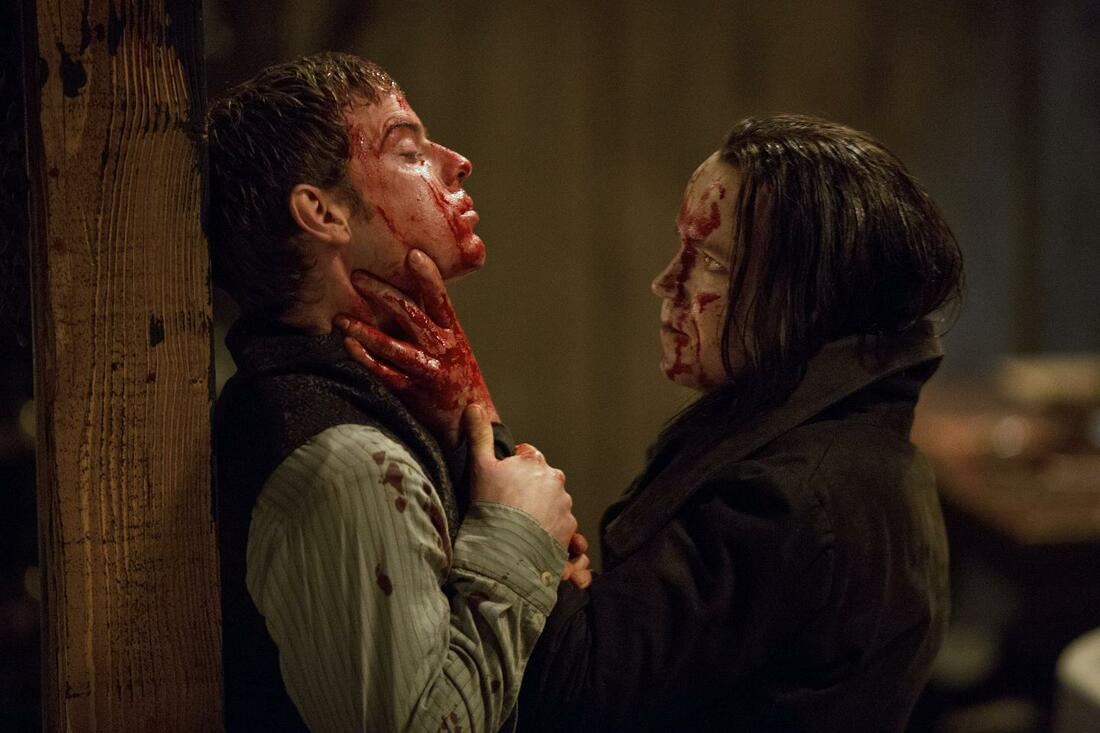 Monsters and audiencesI've talked a lot about writers' potentially positive relationship with monsters. Does it seem likely, though, that audiences - the fine, decent, upstanding bulk of the population - would feel any affinity with creatures that overturn ideas of normality? However - difference isn’t just felt by gay people, writers, or thin, almost albino boys. The brutal fact is that we all share this experience at some stage in our lives. And we all have transgressive, antisocial drives that we may not want to enact, but which we need to acknowledge at some level. Monsters can help us do this. Why else would people feel so intrigued by the Child Catcher, Freddie Kruger or Hannibal Lecter? And why else would all the films and TV shows I've mentioned be so popular? Exploring difference in this way can bring you closer to audiences, not further away from them. Lessons from Logan and del ToroBy its nature, being a writer is an outsider’s occupation – and, as we've seen, monsters are a great metaphor for this.
But how can you find your own relationship with monsters and the monstrous? Here are a few points to ponder. You will probably think of others.
Find out much more about writing horror at our all-day workshop on February 23
1 Comment
|
BLOGTHE ONLY PLACE TO TALK ABOUT THE CRAFT OF SCRIPTWRITING.
|
 RSS Feed

|

|

|
Privacy Policy © Euroscript Limited 2020